16 Safety Tips for Using EV Charging Stations at Home
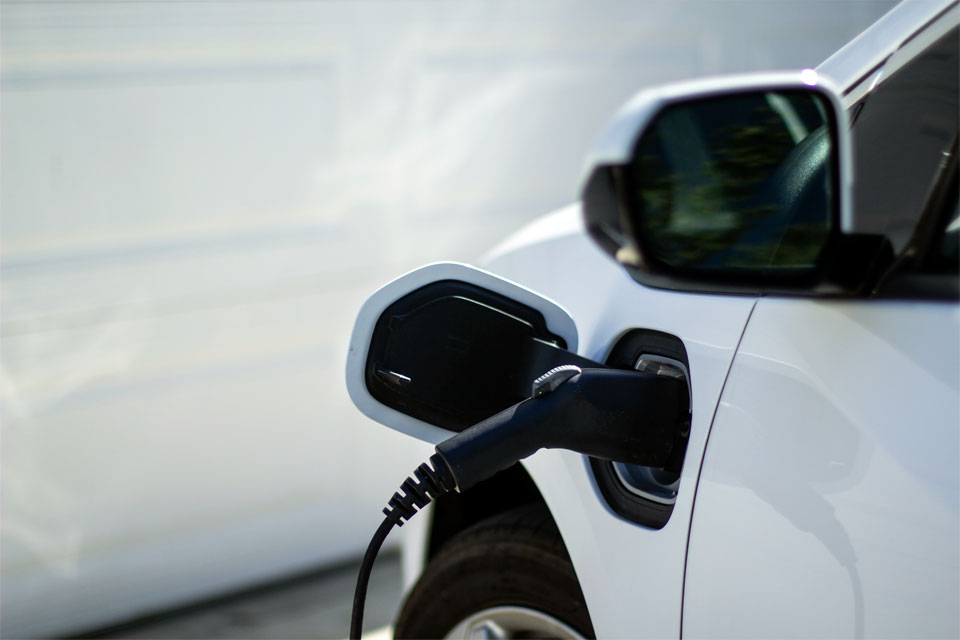
Image of an electric vehicle charging in a garage

Having an EV charging station at home makes life simpler and more convenient for an electric vehicle owner. However, it is important for homeowners to be aware of the risks associated with improper installation and use of this equipment. Overloaded electrical panels, electrical shock, and home fires are just a few of the hazards homeowners can take steps to prevent.

5 Min Read

As more homeowners make the switch from gas-fueled vehicles to EVs, many of them are also opting to invest in residential charging stations. While it may save time and battery energy to charge an EV from home, there are also some important safety considerations. A home EV charger has the same risks as any other type of electrical installation—if your property’s wiring is outdated or incorrect, or the installer lacks experience and knowledge, the system can short-circuit, arc, or overheat, all of which can potentially lead to a malfunction. Additionally, EVs use lithium-ion batteries, which can be both a fire and electrical shock hazard if they are overcharged or exposed to high temperatures.

Safety Precautions for Homeowners with EV Charging Stations

Installing an EV charging station at home introduces a variety of property and liability risks. If you are considering this investment, it is essential to contact your local insurance professional to discuss how on-site charging might affect your Homeowners, Condo, or Renters Insurance Policy. Your agent can check if your policy limits need to be adjusted for increased risks, explain situations when your coverage may and may not apply, and recommend endorsements that may broaden protection.

In addition, there are many actions homeowners can take to help reduce the likelihood that injury or property damage will occur due to charging their electric vehicles at home. The Andover Companies has gathered some tips from several trusted sources, including the U.S. Fire Administration and the U.S. Department of Energy, and put them into a list of EV charging station dos and don’ts.

Do…

  • Read up on national, state, and local EV charging laws and regulations to avoid permit issues, fines, and electrical hazards, as well as to learn about potential alternative fuel rebates and incentives.
  • Have your home’s electric panel capacity professionally evaluated before installing an EV charger or upgrading from a Level 1 to a Level 2 charger, which requires a higher voltage outlet.
  • Hire a licensed electrician with experience to handle every type of installation—from standard setups and outdoor placements to more complex configurations involving new outlets, splitters, or dedicated electrical circuits.
  • Ensure any EV charging equipment you purchase has been certified by a Nationally Recognized Testing Laboratory (NRTL), which indicates that it meets OSHA’s safety standards.
  • Choose a charger specifically rated for outdoor use if your EV charging station will be located outside, and opt for a hardwired connection, which is safer and more durable than a plug-in model.
  • Follow the manufacturer’s guidelines for charging your vehicle and maintaining the components of your charging station.
  • Keep your EV charger’s firmware, software, and applications up to date according to the information in the user manual or on the manufacturer’s website.
  • Schedule periodic inspections of your EV charger with a licensed professional electrician.
  • Stay alert for warning signs—like decreased charging speed, unusual sounds or smells, error messages, and hot cables—that indicate your EV charging station needs immediate service.
  • Ensure you appropriately place smoke detectors, carbon monoxide alarms, and fire extinguishers in your garage and around your home.

Do not ever…

  • Run EV charging cables under the garage door.
  • Install a charger outdoors that does not have a high weatherproof rating.
  • Use a multi plug adapter or extension cord with your charging device.
  • Leave charging device components where children can get a hold of them.
  • Use an EV charger with obvious signs of damage.
  • Charge your electric vehicle outside during extreme weather conditions.

Despite taking all necessary precautions, your EV charger can still malfunction, be the cause of an injury, or even be stolen during a home break-in. A crucial “to do” before making this purchase is to work with your independent insurance agent. They can help you understand the related property and liability risks, as well as changes you may need to make to your Home, Condo, or Renters Insurance Policy to better protect your property and belongings against these hazards.

Sources:
https://www.usfa.fema.gov/downloads/pdf/publications/electric-vehicle-safety-handout.pdf

EXPERIENCE THE DIFFERENCE WORKING WITH AN INDEPENDENT insurance AGENT CAN MAKE.

Step 1:

Click on the Find an Agent button to search for independent insurance agencies near you.

Step 2:

Contact the independent insurance agency you would like to work with by phone or email.

Step 3:

Leave it up to your agent to uncover the best coverage solutions for your valuable property.