Does Home Insurance Cover Theft?
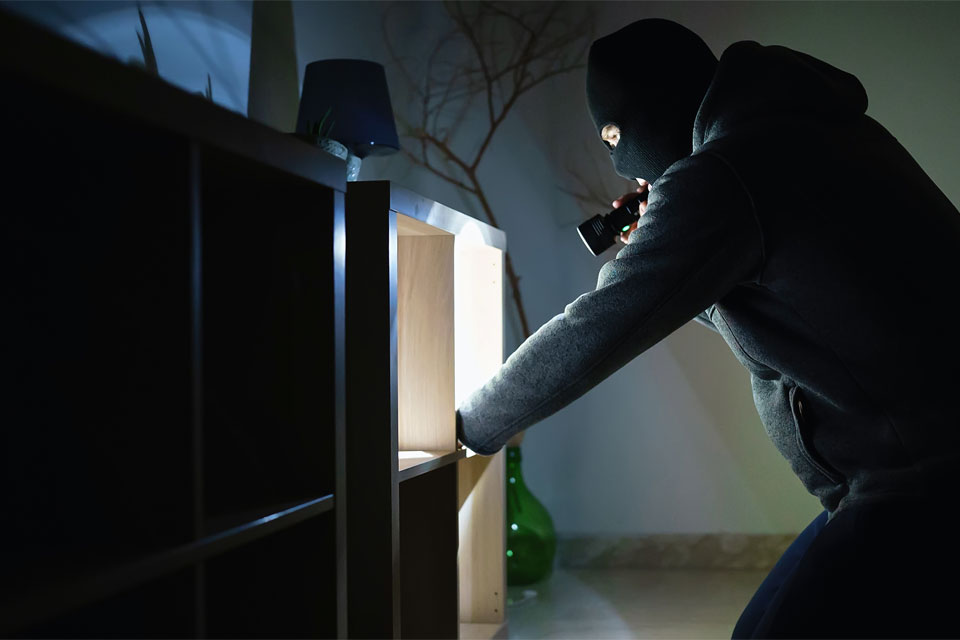
A burglar may take their time scouting a neighborhood for a potential home to target and sizing up a property that looks vulnerable. However, once they get inside a house, they move quickly and carelessly, grabbing anything that is easy pickings, from cash and electronic devices to jewelry, artwork, TVs, and car keys. In mere minutes, a homeowner can be left with thousands of dollars’ worth of belongings to replace and a trail of property damage, including smashed windows, broken doors and locks, vandalized furniture, and more.
Recovering from a house theft could end up being a huge financial burden for a property owner. However, Home Insurance includes two key coverage areas that typically will assist them in putting their place back together again:
The amount of Personal Property Coverage a homeowner will have to help them recover from a theft event depends on several factors, including the type of homeowners policy they have and the coverage amount it allocates for personal belongings. Typically, the Personal Property Coverage limit is between 50% to 70% of the Dwelling Coverage limit. This number is important because it determines the total amount an insurance provider can reimburse a homeowner for theft.
In addition to understanding the total Personal Property Coverage limit, a homeowner needs to be aware of any special limits on certain categories of personal items included in their policy. Often, these sub-limits are on the types of belongings that many thieves are targeting, such as antiques and fine art; jewelry and watches; designer clothing; stamp, card, and coin collections; and more.
Finally, the claims payout a homeowner may receive for their stolen items also depends on whether they have chosen Actual Cash Value (ACV) or Replacement Cost Value (RCV) Contents Coverage.
If they have ACV, the claims payout will be calculated based on the depreciated value of their stolen belongings. On the other hand, if they have RCV, there is no deduction for depreciation, and the reimbursement will be based on how much it would cost to replace the lost items with new and similar ones at current market prices. Regardless of what type of Contents Coverage has been selected, a homeowner will still be responsible for any deductible. However, RCV typically results in a higher claim payout and enables a homeowner to replace more of their lost belongings with new versions of the same kind and quality.
Speaking with your local independent agent is the best way to find out what your specific homeowners policy covers in case of theft. They can also discuss the type of Contents Coverage you have and what limits and sub-limits your policy includes. Most importantly, this insurance professional can help you determine if you have appropriate coverage and limits based on the value of the items in your home. If not, they can help you explore ways to broaden your coverage, including securing a Home Insurance Policy with automatic Replacement Cost on Contents or adding a Scheduled Personal Property Endorsement to make sure valuable and hard-to-replace items are insured up to their professionally appraised value.
There are numerous ways to theft-proof your home inside and out, from always locking doors and windows to putting up a fence and using landscaping strategically in ways that make it difficult to access your home. While these things can help discourage a burglar from trying to break into your home, the biggest deterrent will be whether they see signs of a home security system. Installing a residential alarm system continues to be one of the most effective precautions a homeowner can take against thieves.
Of course, burglars are not the only threat that can penetrate your home and cause serious damage to its structure and contents. Please check out our insights for tips on safeguarding your property from other common “intruders” like unwanted water, ice dams, fire, severe weather, cybercriminals, and more.
Sources
https://www.safehome.org/home-safety/mind-of-burglar/
https://www.safehome.org/resources/burglary-statistics/
Click on the Find an Agent button to search for independent insurance agencies near you.
Contact the independent insurance agency you would like to work with by phone or email.
Leave it up to your agent to uncover the best coverage solutions for your valuable property.


